Flood Water Cleanup in Sugar Land, TX
Flood water that crosses a yard or street is Category 3 from the start. The restoration team extracts it, removes what it touched, treats the structure and dries it to the IICRC S500 standard.
(888) 926-4485Start the Sugar Land flood cleanup- IICRC S500 drying standard
- Truck-mounted extraction
- 24/7 dispatch
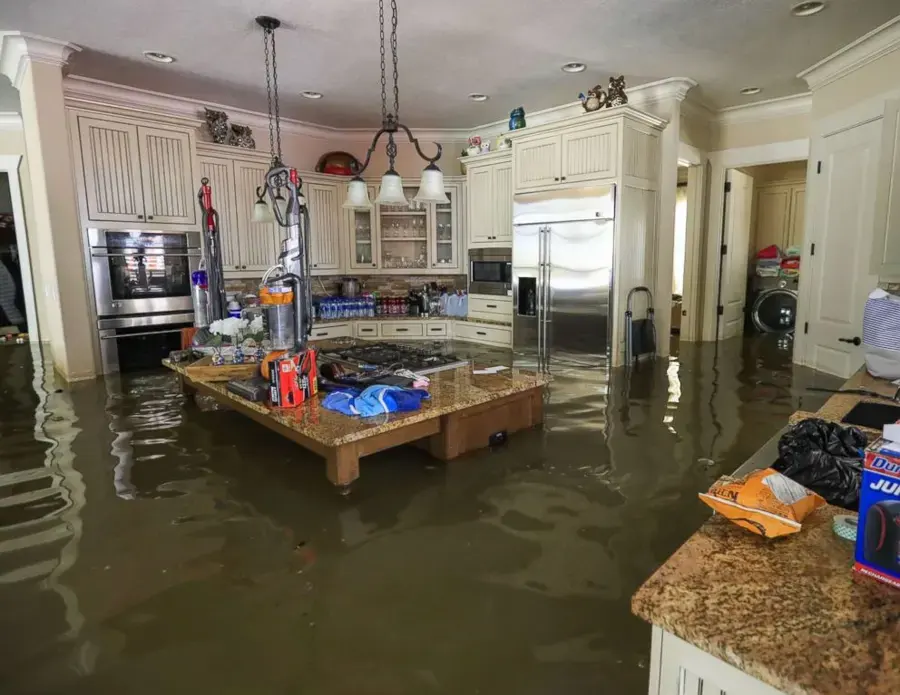
First steps for flood water cleanup in Sugar Land
- Stay out of the water
Flood water can hide energized wiring, sharp debris and sewage; wait until power to the area is off.
- Wait for safe power
Leave the main breaker to a qualified person if the panel is wet or the water is still inside.
- Record the high-water mark
Photograph the high-water mark on walls, furniture and appliances before cleanup starts.
- Keep damaged items
Set aside ruined items for the adjuster instead of hauling them to the curb right away.
How flood water cleanup is handled to the S500 standard
Rapid local response
The response team dispatches around the clock across Fort Bend County, with pumps, air movers and meters on the truck.
IICRC S500 drying standard
The drying team follows the industry drying standard: structural drying, not just surface drying.
Claim-ready documentation
Crews keep daily moisture readings, drying logs and timestamped photos taken before any demolition.
Fort Bend water experts
Slab leaks on shifting clay, attic AC overflow and hurricane rain are the everyday losses local pros know.
What does flood water cleanup cost in Sugar Land, TX?
In Sugar Land, TX, flood water cleanup typically runs $3,000 to $30,000 or more, depending on how many rooms took water, the flood-cut height, the flooring and how long the water sat.
Garage or one room
$3,000 to $7,000
- Category 3 extraction
- Flood cut and removal
- Antimicrobial and drying
Several rooms
$7,000 to $15,000
- Flooring and drywall removal
- Cabinet base removal
- Structural drying and daily logs
Whole first floor
$15,000 to $30,000+
- Full removal to framing
- Containment and HEPA air scrubbers
- Large drying setup
For a planning number, try the water damage cost calculator. The final scope depends on what the moisture map shows on site.
How flood water cleanup is dried out in Sugar Land
- 1
Map the moisture
The tech who does the walkthrough maps moisture with pinless meters and thermal imaging before any equipment goes down.
- 2
Extract the water
The extraction crew pulls standing water with truck-mounted extraction, so it leaves the building instead of spreading.
- 3
Set the drying plan
Air movers go in at each room's evaporation load, with LGR dehumidifiers pulling that moisture out of the Gulf air.
- 4
Read it dry
Most crews log readings daily and pull equipment when wet material sits within 2 to 4 points of a dry reference.
Sugar Land lives with water on three sides. The Brazos River runs along the south and west edge of the city, Oyster Creek winds through the middle, and the drainage ditches and lakes of First Colony carry storm water through the neighborhoods. Nine levee improvement districts protect most of the city, but when the river runs high the levee gates close and pumps have to move rain water out of the streets. During Hurricane Harvey in 2017 the Brazos rose to record levels, and some homes near Settlers Park and Chimney Stone still took water.
Why flood water is handled as Category 3
Water that has crossed lawns, streets and drainage channels carries soil, fuel, fertilizer and sewage from overwhelmed systems. The IICRC S500 standard treats it as Category 3 the moment it enters the house. That changes the job: the mitigation team wears protective gear, sets containment where needed, and removes porous materials the water touched instead of trying to dry them.
- Carpet, pad and upholstered furniture that sat in flood water are removed.
- Drywall gets a flood cut, usually 2 to 4 feet up or above the high-water mark, so insulation and framing can dry.
- Cabinet bases and particleboard that swelled are pulled.
- Framing and slab are cleaned and treated with an EPA-registered antimicrobial before drying.
How a flood cleanup runs in a Sugar Land house
The extraction crew pumps and extracts standing water first, often with truck-mounted units running from the driveway. Timestamped photos go into the file before any demolition, with the high-water mark visible on the walls. Flood cuts and removal follow, then cleaning and antimicrobial treatment, then air movers and LGR dehumidifiers sized to each room. Readings are logged daily until framing and slab reach the drying goal, which is within 2 to 4 points of a dry reference material.
Flood insurance versus homeowners coverage
Rising surface water is generally covered by a separate flood policy, not a standard homeowners policy, which is why the documentation matters so much. The National Flood Insurance Program at FloodSmart.gov explains how flood claims work, and the National Weather Service Houston/Galveston office posts Brazos River forecasts before a crest. Coverage depends on your policy, so it is worth checking with your own insurer. If sewage came back up through drains during the storm, see sewage and black water cleanup.
Flood Water Cleanup across Sugar Land and Fort Bend County
The Sugar Land restoration crew covers First Colony, Sugar Creek, Telfair, Riverstone, Greatwood and New Territory, plus Missouri City, Stafford, Richmond and Rosenberg, ZIP codes 77478, 77479, 77487, 77496, 77498.
See every neighborhood coveredRelated water damage services in Sugar Land
Flood Water Cleanup questions in Sugar Land
Is flood water always Category 3?
Yes. Water that enters from outside after crossing ground, streets or drainage is treated as Category 3 under the IICRC S500 standard, because it carries soil, chemicals and often sewage.
How high does the drywall get cut?
Usually 2 to 4 feet, or at least 12 inches above the highest wet reading. The moisture map, not the visible water line, decides the height, because water wicks above where it sat.
Can hardwood or laminate be saved after a flood?
Rarely after Category 3 water. Laminate and engineered flooring trap contaminated water underneath and are usually removed. Tile on slab can often stay after cleaning and treatment.
Does homeowners insurance cover flood water?
Standard homeowners policies generally exclude rising surface water, which is covered by a separate flood policy. Wind-driven rain through a damaged roof is a different claim. Coverage depends on your policy, so it is worth checking with your own insurer.
How long does drying take after a flood?
Once removal is done, drying the framing and slab usually takes three to seven days in Sugar Land humidity. Equipment comes out when the readings reach the drying goal, not on a set date.
What about the garage and the slab itself?
Garages get extracted and cleaned like the rest of the house. The slab is treated and dried, and readings are taken at the slab surface before any new flooring goes down.
Flood Water Cleanup in Sugar Land, day or night
Water keeps moving into drywall, baseboards and cabinets until someone stops it. The Sugar Land restoration crew extracts, dries and documents the loss to the IICRC S500 standard.