Sewage & Black Water Cleanup in Sugar Land, TX
Sewage backup is Category 3 the moment it happens. The mitigation team contains the area, removes the porous materials it touched, applies an EPA-registered antimicrobial and dries the structure to the IICRC S500 standard.
(888) 926-4485Call for sewage backup cleanup in Sugar Land- IICRC S500 drying standard
- Truck-mounted extraction
- 24/7 dispatch
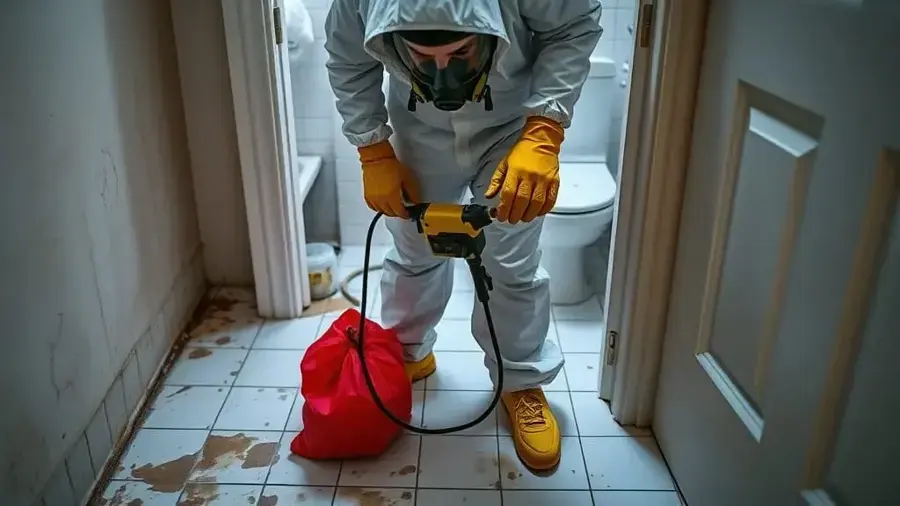
First steps for sewage and black water cleanup in Sugar Land
- Stop using water
Stop running sinks, showers, toilets and the washer so more waste is not pushed back up.
- Keep people out
Keep children, pets and anyone with a weak immune system away from the area.
- Shut the HVAC
Turn off the air system so it does not pull contaminated air through the house.
- Photograph safely
Photograph the affected rooms from a clean spot without walking through the water.
How sewage and black water cleanup is handled to the S500 standard
Rapid local response
The response team dispatches around the clock across Fort Bend County, with pumps, air movers and meters on the truck.
IICRC S500 drying standard
The drying team follows the industry drying standard: structural drying, not just surface drying.
Claim-ready documentation
Crews keep daily moisture readings, drying logs and timestamped photos taken before any demolition.
Fort Bend water experts
Slab leaks on shifting clay, attic AC overflow and hurricane rain are the everyday losses local pros know.
What does sewage and black water cleanup cost in Sugar Land, TX?
In Sugar Land, TX, sewage and black water cleanup typically runs $2,500 to $15,000 or more, depending on the square footage affected, how much material needs removal and whether contamination reached several rooms.
One bathroom
$2,500 to $4,500
- Containment and PPE
- Porous material removal
- Antimicrobial and drying
Several rooms
$4,500 to $9,000
- Carpet and drywall removal
- HEPA air scrubbers
- Structural drying
Large backup
$9,000 to $15,000+
- Wide removal
- Full containment
- Extended drying
For a planning number, try the water damage cost calculator. The final scope depends on what the moisture map shows on site.
How sewage and black water cleanup is dried out in Sugar Land
- 1
Map the moisture
The tech who does the walkthrough maps moisture with pinless meters and thermal imaging before any equipment goes down.
- 2
Extract the water
The extraction crew pulls standing water with truck-mounted extraction, so it leaves the building instead of spreading.
- 3
Set the drying plan
Air movers go in at each room's evaporation load, with LGR dehumidifiers pulling that moisture out of the Gulf air.
- 4
Read it dry
Most crews log readings daily and pull equipment when wet material sits within 2 to 4 points of a dry reference.
A sewage backup is the one water loss where speed and protection matter equally. In Sugar Land, backups come from a few places: a clogged main drain or lateral between the house and the street, roots or a sag in an older clay or cast iron line in Sugar Creek and the older sections of First Colony, and city systems overwhelmed during heavy tropical rain. The water usually shows up first at the lowest drain, a shower, tub or first-floor toilet.
Why sewage is handled differently
Sewage carries bacteria, viruses and parasites. The IICRC S500 standard treats it as Category 3 from the start, and the mitigation team works in protective suits, gloves, boots and respirators. The work area is contained with plastic sheeting and negative air, with HEPA air scrubbers filtering the air, so contamination does not travel into clean rooms.
- Porous materials touched by sewage, such as carpet, pad, drywall and insulation, are removed.
- Drywall is cut at least 12 inches above the highest wet reading.
- Hard surfaces are cleaned, then treated with an EPA-registered antimicrobial at its label dwell time.
- Contaminated debris is bagged and removed from the work area.
How a sewage cleanup runs
The extraction crew removes the liquid first, with the waste handled so it does not spread through the house. Timestamped photos document the contamination before removal. Then comes containment, removal of porous materials, cleaning and antimicrobial treatment, and finally structural drying with air movers and dehumidifiers until readings reach the drying goal. A plumber clears or repairs the line before the area is put back into use.
Health and coverage
Keep children, older family members and pets away from the area, and wash hands after any contact. The Centers for Disease Control and Prevention publishes hygiene guidance after sewage and flood water exposure, and the Texas Commission on Environmental Quality oversees wastewater systems in Texas. Standard policies often limit sewer backup coverage unless a water backup endorsement was added. Coverage depends on your policy, so it is worth checking with your own insurer. When a backup comes with storm flooding, flood water cleanup covers the rest of the house.
Sewage and Black Water Cleanup across Sugar Land and Fort Bend County
The Sugar Land restoration crew covers First Colony, Sugar Creek, Telfair, Riverstone, Greatwood and New Territory, plus Missouri City, Stafford, Richmond and Rosenberg, ZIP codes 77478, 77479, 77487, 77496, 77498.
See every neighborhood coveredRelated water damage services in Sugar Land
Sewage and Black Water Cleanup questions in Sugar Land
Is it safe to clean up a small sewage backup myself?
Even small backups carry bacteria and viruses. A contained toilet overflow on tile can be handled with gloves and disinfectant, but anything that reached carpet, drywall or several rooms needs Category 3 protocol.
What has to be thrown away after a sewage backup?
Porous materials the sewage touched: carpet, pad, upholstered items, drywall, insulation and particleboard. Hard, non-porous items can usually be cleaned and disinfected.
Why do backups happen during heavy rain?
Heavy rain can overload sewer systems and push water back through the lowest drains in a house. A backwater valve on the main line helps prevent it.
How long does sewage cleanup take?
Removal and treatment usually take one to two days, and drying the structure afterward typically takes three to five days depending on the class of the loss.
Is sewage backup covered by insurance?
Many Texas policies limit or exclude sewer backup unless a water backup endorsement was added. Coverage depends on your policy, so it is worth checking with your own insurer.
What is an EPA-registered antimicrobial?
It is a cleaning product registered with the EPA for use against microorganisms, applied to cleaned surfaces at the dwell time on its label. It is a product, not a certification of the crew.
Sewage and Black Water Cleanup in Sugar Land, day or night
Water keeps moving into drywall, baseboards and cabinets until someone stops it. The Sugar Land restoration crew extracts, dries and documents the loss to the IICRC S500 standard.